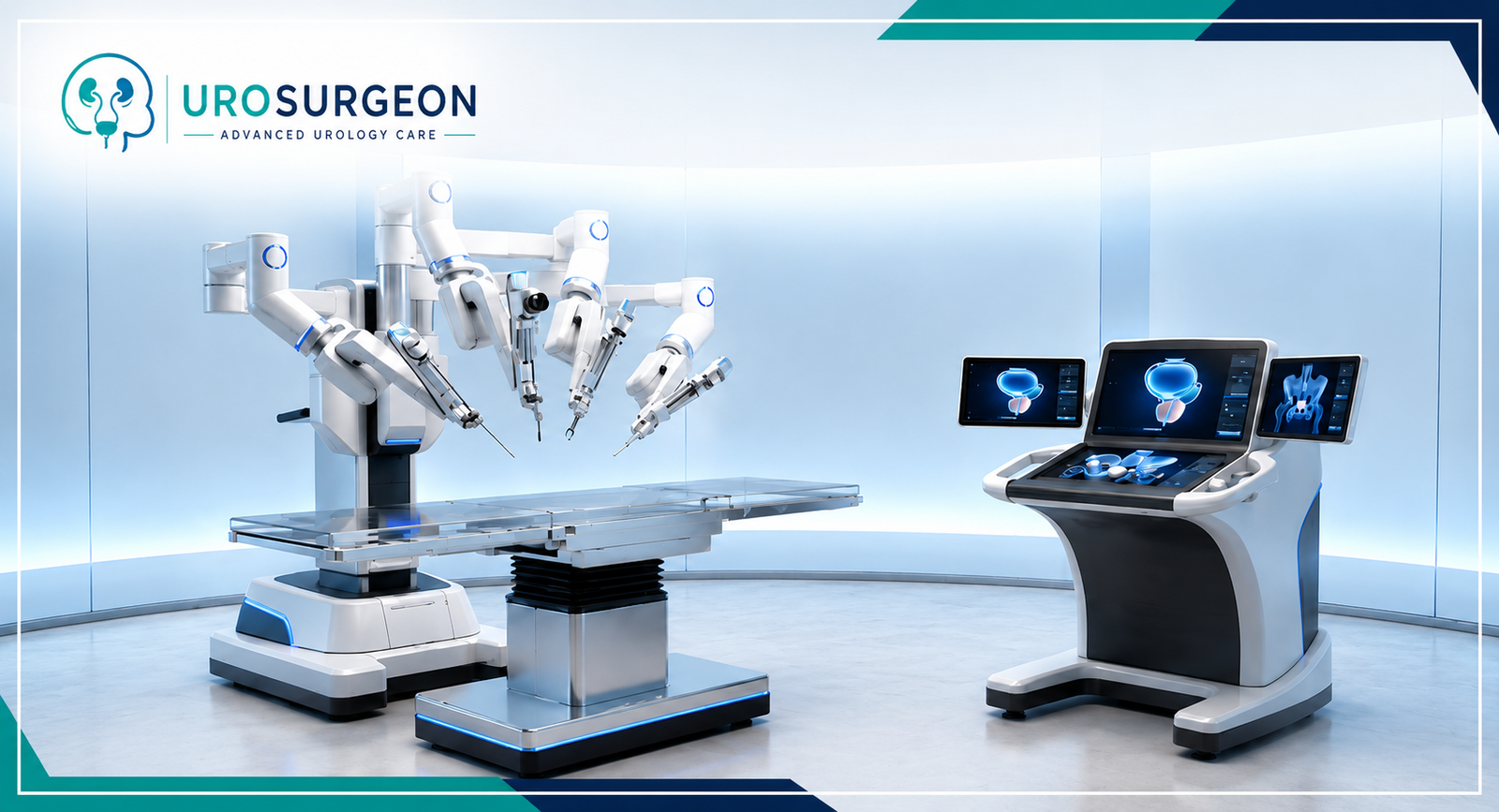
What Is Robotic Prostate Surgery?
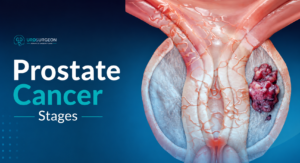
Robotic prostate surgery, also known as robotic-assisted radical prostatectomy, is an advanced minimally invasive procedure commonly used for selected men with localized prostate cancer. The procedure involves removing the prostate gland and, when required, nearby lymph nodes.
If you are considering this treatment, consulting the Best Uro Cancer Surgeon in Indore can help you understand whether robotic surgery is appropriate for your specific cancer stage, overall health, and treatment goals.
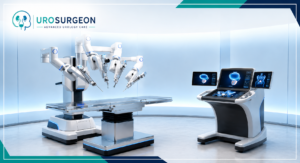
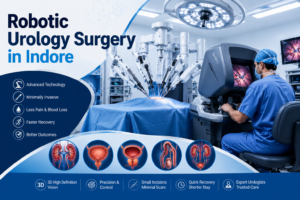
The robotic system does not perform the surgery independently. Instead, the surgeon controls specialized instruments from a console. A high-definition camera provides a magnified view of the surgical area, allowing precise movements through small abdominal incisions.
What Happens Before Robotic Prostate Surgery?
Before surgery, your doctor will carefully evaluate your medical history, prostate cancer diagnosis, test results, and overall health. Depending on your condition, evaluation may include PSA testing, prostate biopsy, MRI, blood tests, and other investigations.
The Best Uro Cancer Surgeon in Indore will explain the planned procedure, expected recovery, possible complications, and potential effects on urinary and sexual function.
You may receive instructions regarding:
- Medicines that need to be continued or stopped
- Fasting before surgery
- Preoperative blood investigations
- Anesthesia assessment
- Hospital admission
- Postoperative care and recovery
Following these instructions carefully can help prepare you safely for surgery.
What Happens During the Procedure?
Robotic prostate surgery is performed under general anesthesia, so you will be asleep throughout the procedure.
The surgeon makes several small incisions in the abdomen. A camera and specialized robotic instruments are inserted through these openings. The surgeon then controls the instruments from a console to carefully remove the prostate.
Depending on the cancer’s characteristics, nearby lymph nodes may also be removed for further examination.
Whenever medically appropriate, the surgeon may attempt to preserve important nerves and structures involved in urinary control and sexual function. However, nerve preservation depends on the location and extent of the cancer and cannot be guaranteed in every patient.
The removed prostate tissue is sent for pathological examination. The final pathology report provides important information about the cancer and helps guide further follow-up.
How Long Does Robotic Prostate Surgery Take?
The duration can vary depending on the patient’s anatomy, cancer stage, previous surgeries, and whether lymph node removal is necessary.
Rather than relying on a fixed duration, your Best Uro Cancer Surgeon in Indore can provide a more personalized estimate after reviewing your medical reports and treatment plan.
What Happens After Surgery?
After the procedure, you will be taken to a recovery area where your vital signs and initial recovery are monitored. A urinary catheter is generally placed to allow urine to drain while the surgical area heals.
Your healthcare team will monitor pain, urine output, blood pressure, and other important parameters.
Depending on your recovery, you may be encouraged to walk soon after surgery. Early movement can support recovery and reduce the risk of certain complications.
Your hospital stay will depend on your individual recovery and your surgeon’s recommendations.
Recovery After Robotic Prostate Surgery
Recovery after robotic prostate surgery is gradual. You may experience tiredness, mild abdominal discomfort, or temporary urinary changes during the early recovery period.
Your doctor may provide instructions regarding:
- Wound care
- Medicines
- Diet
- Physical activity
- Driving
- Catheter care
- Follow-up visits
Urinary control may take some time to improve after prostate surgery. Pelvic floor exercises are often recommended as part of recovery.
Sexual function can also be affected. Recovery varies significantly between patients and may depend on age, preoperative sexual function, cancer location, nerve preservation, and general health.
Why Surgeon Experience Matters
Robotic prostate surgery requires knowledge of pelvic anatomy, prostate cancer treatment, and advanced minimally invasive surgical techniques.
When choosing the Best Uro Cancer Surgeon in Indore, patients should consider more than access to robotic technology. The robotic system is a surgical tool, while treatment outcomes also depend on appropriate patient selection, surgical planning, surgeon expertise, and postoperative care.
An experienced uro-oncology specialist can explain the available treatment options and help you understand the potential benefits and risks of robotic surgery.
Follow-Up After Surgery
Follow-up care is an important part of prostate cancer treatment. Your doctor will review the final pathology report and monitor PSA levels after surgery.
Depending on your pathology results and postoperative PSA, your doctor may recommend regular monitoring or additional treatment if required.
Regular follow-up also provides an opportunity to assess urinary recovery, sexual function, and overall wellbeing.
Patients should maintain their scheduled appointments and report any unusual symptoms to their medical team.
Choosing the Right Surgeon
If you are searching for the Best Uro Cancer Surgeon in Indore, look for a qualified specialist with appropriate experience in uro-oncology and robotic prostate surgery.
Important factors to consider include:
- Relevant medical qualifications
- Experience in prostate cancer surgery
- Robotic surgery expertise
- Hospital and surgical facilities
- Personalized treatment planning
- Postoperative follow-up
- Clear communication about risks and benefits
A consultation with the Best Uro Cancer Surgeon in Indore can help you understand whether robotic prostate surgery is suitable for your individual condition.
Is Robotic Prostate Surgery Suitable for Everyone?
Robotic surgery is not automatically the right treatment for every prostate cancer patient. Treatment decisions depend on cancer stage, grade, tumor location, overall health, previous treatments, and personal preferences.
The Best Uro Cancer Surgeon in Indore can evaluate these factors and discuss whether robotic prostatectomy or another treatment approach is more appropriate.
Conclusion
Robotic prostate surgery is an advanced minimally invasive option for selected men with prostate cancer. Understanding what happens before, during, and after surgery can help patients feel more prepared and confident about their treatment journey.
If you are considering robotic prostate surgery, consulting the Best Uro Cancer Surgeon in Indore can help you understand your diagnosis, treatment options, surgical expectations, recovery process, and follow-up requirements.
Every patient’s condition is different, so treatment should always be planned after a detailed consultation and evaluation.
Frequently Asked Questions (FAQs)
1. Is robotic prostate surgery safe?
Robotic prostate surgery is an established surgical approach for appropriately selected patients. Like any major surgery, it has potential risks. Your surgeon can explain the benefits and risks based on your individual condition.
2. How long does recovery take after robotic prostate surgery?
Recovery varies between individuals. Many patients gradually return to normal activities over several weeks, while recovery of urinary control and sexual function may take longer.
3. Will I need a urinary catheter after surgery?
Yes, a urinary catheter is commonly used temporarily after prostate removal surgery. It allows urine to drain while the surgical area heals. Your surgeon will tell you when it can be removed.
4. Can robotic prostate surgery cure prostate cancer?
For selected patients with localized prostate cancer, surgical removal of the prostate can be a potentially curative treatment. The outcome depends on the cancer stage, grade, pathology, and other individual factors.
5. How do I choose the Best Uro Cancer Surgeon in Indore?
Consider the surgeon’s qualifications, uro-oncology experience, robotic surgery expertise, hospital facilities, treatment approach, and postoperative follow-up. A detailed consultation can help you make an informed decision.