Table of Contents
ToggleRobotic Urology Surgery in Indore: The Future of Precision Healthcare
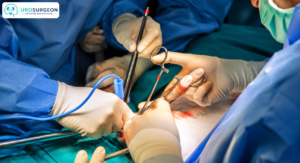
Medical technology has transformed the way urological diseases are treated. One of the most significant advancements is robotic-assisted urology surgery, which allows surgeons to perform complex procedures with exceptional precision through small incisions.
Today, robotic surgery is widely used for treating prostate cancer, kidney cancer, bladder cancer, ureteric conditions, and reconstructive urological procedures, offering patients faster recovery and better surgical outcomes.
What is Robotic Urology Surgery?
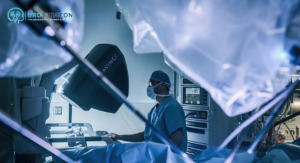
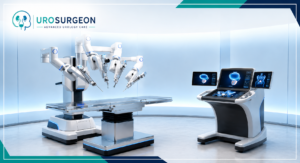
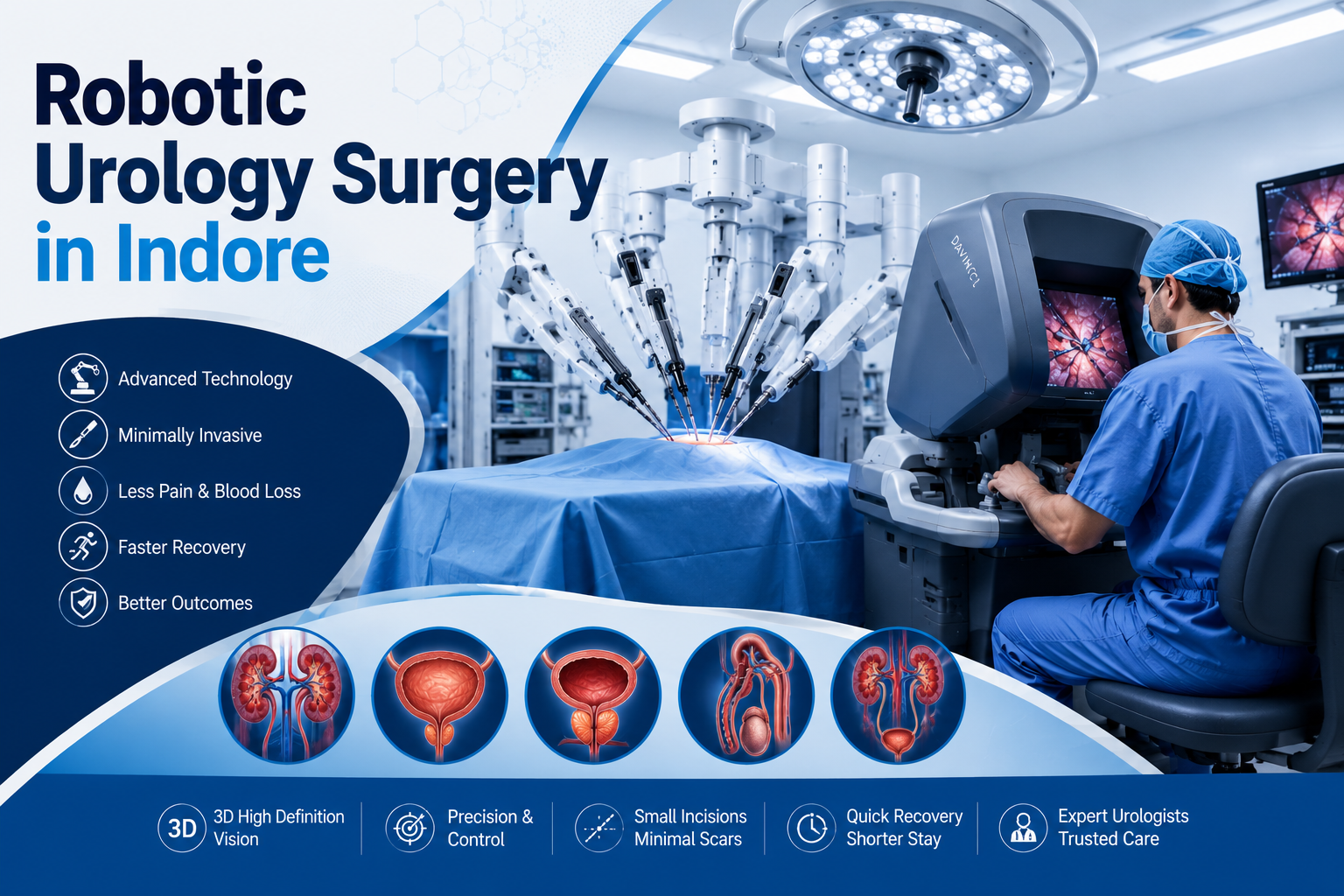
Robotic urology surgery is a minimally invasive surgical technique where the surgeon controls advanced robotic instruments through a specialized console.
The robotic system provides:
- High-definition 3D vision
- Enhanced precision
- Greater flexibility
- Tremor-free movements
- Improved surgical accuracy
It is important to know that the robot never performs surgery independently. Every movement is completely controlled by the surgeon.
Conditions Treated with Robotic Surgery
Robotic technology is commonly used for treating:
Prostate Cancer
Robotic Radical Prostatectomy helps remove the cancer while preserving surrounding structures whenever possible.
Kidney Cancer
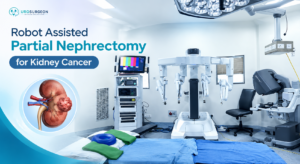
Robotic Partial or Radical Nephrectomy allows precise removal of kidney tumors while preserving healthy kidney tissue whenever feasible.
Bladder Cancer
Advanced robotic procedures are used for selected bladder cancer cases requiring bladder removal or reconstruction.
Ureteric Disorders
Robotic surgery helps correct ureteric obstruction and strictures with greater precision.
Kidney Reconstruction
Complex reconstructive procedures such as pyeloplasty can also be performed robotically.
Advantages of Robotic Surgery
Compared with traditional open surgery, robotic-assisted surgery offers several benefits:
Smaller Incisions
Tiny surgical cuts reduce tissue damage.
Less Blood Loss
Improved precision minimizes bleeding during surgery.
Reduced Pain
Patients usually experience less post-operative discomfort.
Faster Recovery
Most patients return to daily activities sooner.
Shorter Hospital Stay
Hospitalization is often reduced compared to conventional surgery.
Better Cosmetic Results
Small scars provide improved cosmetic outcomes.
High Surgical Precision
Magnified 3D visualization allows accurate dissection and reconstruction.
Who Can Benefit from Robotic Surgery?
Robotic surgery may be recommended for patients with:
- Localized prostate cancer
- Kidney tumors
- Bladder cancer
- Ureteric obstruction
- UPJ obstruction
- Selected reconstructive urological conditions
Your surgeon will determine whether robotic surgery is the best option based on your medical condition.
What Happens Before Surgery?
Before robotic surgery, your doctor may advise:
- Blood investigations
- Urine tests
- ECG
- CT Scan or MRI
- Chest evaluation (if required)
- Fitness assessment for anesthesia
Proper preparation helps ensure a safe surgical procedure.
Recovery After Robotic Surgery
Recovery is generally quicker compared with open surgery.
Most patients can expect:
- Early walking after surgery
- Less pain medication
- Smaller dressings
- Faster return to normal diet
- Earlier discharge from the hospital
- Quicker return to work and daily activities
Recovery time varies depending on the type of surgery and overall health.
Is Robotic Surgery Safe?
Yes. Robotic-assisted surgery is considered safe and effective when performed by an experienced urological surgeon. It combines advanced technology with surgical expertise to improve precision while reducing trauma to surrounding tissues.
Frequently Asked Questions
Is robotic surgery painful?
Most patients experience significantly less pain compared to open surgery.
Will the robot perform the operation by itself?
No. The surgeon controls every movement of the robotic system throughout the procedure.
How long is the hospital stay?
Many patients are discharged within a few days, depending on the type of surgery and recovery.
Are there large scars?
No. Robotic surgery uses small keyhole incisions, resulting in minimal scarring.
Is robotic surgery suitable for every patient?
Not always. Your surgeon will evaluate your condition, overall health, and the nature of the disease before recommending the most appropriate treatment.
Why Choose Robotic Urology Surgery?
Choosing robotic-assisted surgery offers:
- Advanced precision
- Minimally invasive treatment
- Better preservation of healthy tissues
- Faster recovery
- Reduced post-operative discomfort
- Improved quality of life
Conclusion
Robotic urology surgery has revolutionized the treatment of many urological conditions by combining surgical expertise with advanced technology. Whether you are dealing with prostate cancer, kidney cancer, bladder cancer, or other complex urological disorders, robotic-assisted surgery offers a modern approach focused on precision, safety, and quicker recovery.
Early consultation with an experienced urologist can help determine whether robotic surgery is the right treatment option for your condition.