
Table of Contents
ToggleUro Cancer Specialist in Indore – Expert Care for Urological Cancers
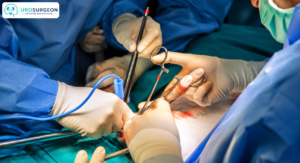
Urological cancers affect the urinary system and male reproductive organs. These cancers include kidney cancer, bladder cancer, prostate cancer, testicular cancer, and penile cancer. Early diagnosis and timely treatment by an experienced Uro Cancer Specialist in Indore can significantly improve treatment outcomes and quality of life. Modern medical technology, including minimally invasive and robotic surgery, has made cancer treatment safer, more precise, and associated with faster recovery.
What is a Uro Cancer Specialist?
A Uro Cancer Specialist (Uro-Oncologist) is a urologist with specialized expertise in diagnosing and treating cancers of the urinary tract and male reproductive organs. They provide comprehensive care, including:
- Cancer screening and early detection
- Advanced imaging and diagnostic tests
- Biopsy procedures
- Robotic and laparoscopic cancer surgery
- Organ-preserving surgical techniques
- Long-term follow-up and cancer surveillance
Types of Urological Cancers
1. Kidney Cancer
Kidney cancer develops in the kidney tissues and may not cause symptoms during its early stages.
Common Symptoms
- Blood in urine
- Persistent back or flank pain
- Lump in the abdomen
- Unexplained weight loss
- Fatigue
2. Prostate Cancer
Prostate cancer is one of the most common cancers in men, particularly after the age of 50. Early-stage prostate cancer often has no noticeable symptoms.
Symptoms
- Difficulty urinating
- Weak urine flow
- Frequent urination, especially at night
- Blood in urine or semen
- Bone pain in advanced stages
3. Bladder Cancer
Bladder cancer usually begins in the inner lining of the bladder.
Symptoms
- Blood in urine (most common sign)
- Painful urination
- Frequent urination
- Pelvic pain
4. Testicular Cancer
Testicular cancer commonly affects younger men and is highly treatable when detected early.
Symptoms
- Lump in the testicle
- Swelling
- Feeling of heaviness
- Dull ache in the lower abdomen
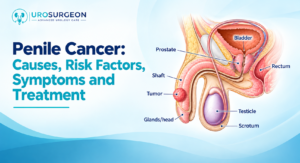
5. Penile Cancer
Although rare, penile cancer requires prompt diagnosis and treatment.
Symptoms
- Persistent sore or ulcer
- Skin thickening
- Bleeding
- Foul-smelling discharge
- Swelling
Risk Factors for Urological Cancers
Several factors increase the risk of developing uro cancers:
- Smoking
- Increasing age
- Family history
- Obesity
- Chronic urinary infections
- HPV infection
- Exposure to harmful chemicals
- Poor lifestyle habits
- Chronic kidney disease

When Should You Consult a Uro Cancer Specialist?
Seek medical attention if you experience:
- Blood in urine
- Difficulty passing urine
- Persistent lower back pain
- Unexplained weight loss
- Recurrent urinary infections
- Lump in the testicle
- Persistent penile lesions
- Elevated PSA levels
Ignoring these symptoms may delay diagnosis and treatment.
Diagnosis of Urological Cancers
A Uro Cancer Specialist may recommend:
- Physical examination
- Urine analysis
- Blood tests
- PSA Test (for prostate)
- Ultrasound
- CT Scan
- MRI
- Cystoscopy
- Biopsy
Early diagnosis improves treatment success and survival rates.
Advanced Treatment Options
Treatment depends on the cancer type, stage, and overall health.
Available options include:
- Robotic Surgery
- Laparoscopic Surgery
- Endoscopic Surgery
- Partial or Radical Nephrectomy
- Radical Prostatectomy
- TURBT for Bladder Cancer
- Chemotherapy
- Immunotherapy
- Targeted Therapy
- Radiation Therapy
Modern robotic-assisted procedures help reduce pain, blood loss, hospital stay, and recovery time in appropriately selected patients.
Why Early Detection Matters
Many uro cancers show few or no symptoms during the early stages. Regular screening, especially for individuals over 50 or those with high-risk factors, allows early diagnosis and more effective treatment.
Early treatment often offers:
- Better survival rates
- Less invasive surgery
- Organ preservation
- Faster recovery
- Improved quality of life
Why Choose an Experienced Uro Cancer Specialist in Indore?
Choosing an experienced specialist ensures:
- Accurate diagnosis
- Personalized treatment plans
- Advanced surgical expertise
- Multidisciplinary cancer care
- Long-term follow-up
- Modern technology including robotic surgery
Frequently Asked Questions (FAQs)
Is blood in urine always a sign of cancer?
No. Blood in urine may occur due to infections, stones, or other conditions, but it should never be ignored and requires evaluation.
Who is at higher risk for prostate cancer?
Men over 50 years of age, those with a family history, obesity, and certain genetic factors have a higher risk.
Can kidney cancer be cured?
Yes. When detected early, kidney cancer can often be treated successfully with surgery.
Is robotic surgery safe for uro cancers?
Yes. Robotic surgery is a safe and effective option for many patients and offers faster recovery when performed by experienced surgeons.
When should I see a Uro Cancer Specialist?
If you notice blood in urine, persistent urinary symptoms, testicular swelling, penile lesions, or abnormal PSA levels, consult a specialist without delay.
Conclusion
Urological cancers are highly treatable when diagnosed early. If you experience persistent urinary symptoms or have risk factors such as smoking, age above 50, or a family history of cancer, timely consultation with a Uro Cancer Specialist in Indore can help ensure accurate diagnosis and access to advanced treatment options. Regular screenings, awareness, and prompt medical care play a vital role in improving outcomes.