
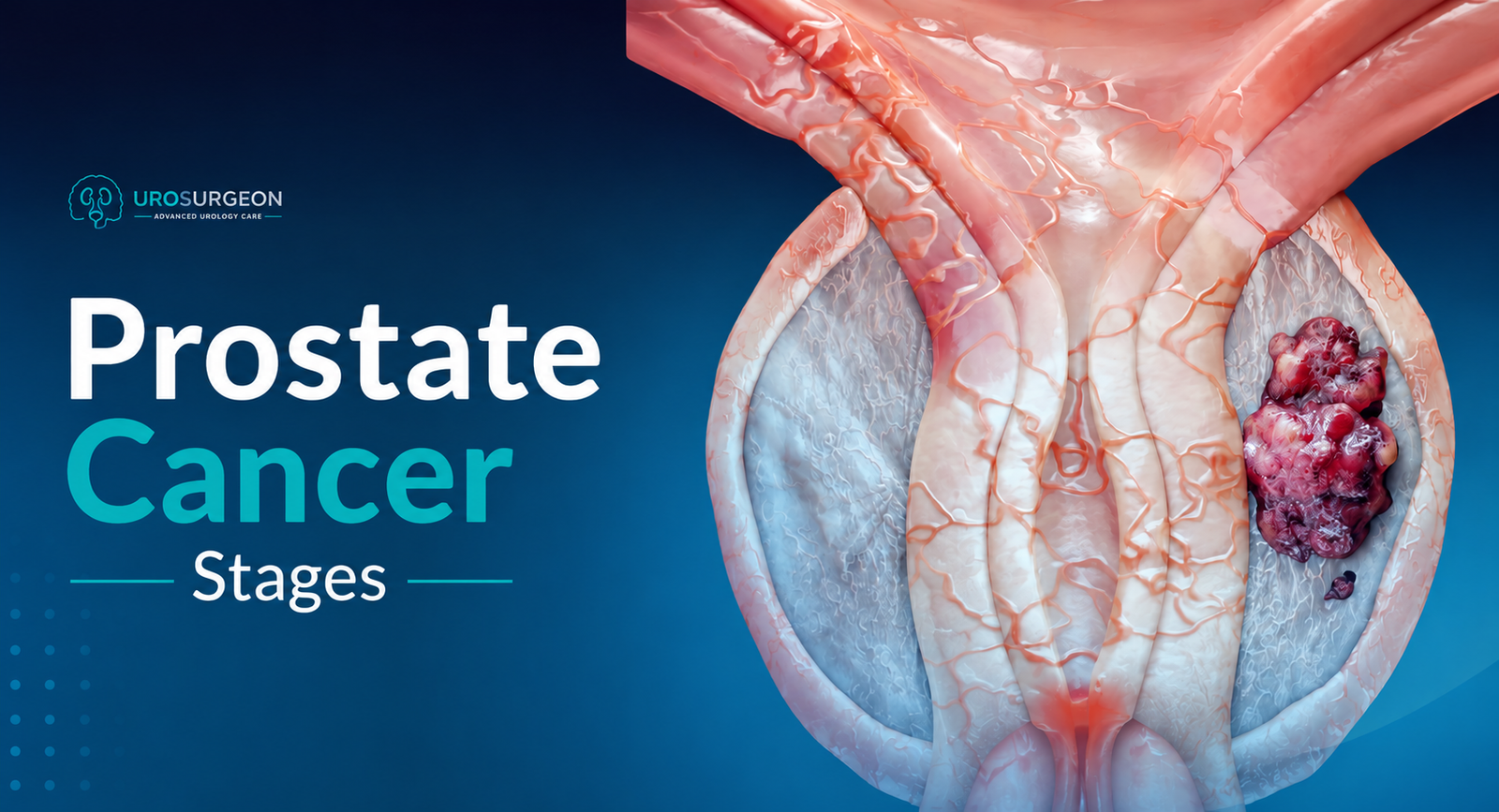
Finishing prostate cancer treatment is an important milestone. But for many men, recovery does not end when the treatment is over. Some side effects may continue for weeks or months, and a few can last longer.
The type of side effects depends on the treatment you received. Surgery, radiation therapy, hormone therapy, and other treatments can affect the urinary system, sexual function, bowel habits, and overall energy in different ways.
If you are facing problems after treatment, speaking with the Best Uro Cancer Surgeon in Indore can help you understand whether the symptoms are a normal part of recovery or need further treatment.
Common Side Effects After Prostate Cancer Treatment
Every patient is different. Some men recover quickly, while others need more time and support. The side effects can also depend on the type of treatment, your age, general health, and the stage of cancer.
The most common concerns after prostate cancer treatment include urinary problems, erectile difficulties, bowel changes, tiredness, and hormonal changes.
It is important not to feel embarrassed about these problems. They are medical issues, and many of them can be managed.
Urinary Problems After Treatment
Urinary changes are common after prostate cancer treatment, especially after prostate surgery. Some men may experience urine leakage while coughing, sneezing, walking, or exercising. Others may have urgency or difficulty completely emptying the bladder.
For some patients, bladder control gradually improves as the body heals. Pelvic floor exercises may be recommended to help strengthen the muscles involved in urinary control.
If leakage continues or becomes troublesome, do not simply accept it as something you have to live with. The Best Uro Cancer Surgeon in Indore can assess the problem and discuss suitable treatment options.
Erectile Dysfunction After Prostate Cancer Treatment
Changes in sexual function are another common concern. Surgery and radiation can sometimes affect the nerves and blood vessels involved in erections. Hormone therapy can also reduce testosterone levels and lower sexual desire.
Recovery of sexual function can take time. It also depends on factors such as your age, sexual function before treatment, the type of treatment, and whether the nerves could be preserved during surgery.
There are different ways to manage erectile difficulties. Depending on your situation, your doctor may discuss medicines, vacuum devices, injections, or other treatment options.
Talking openly with the Best Uro Cancer Surgeon in Indore can help you choose an approach that is suitable for your health and recovery.
Bowel Changes After Radiation Therapy
Men who receive radiation therapy may notice changes in their bowel habits. These can include loose stools, urgency, rectal discomfort, or other bowel problems.
Radiation can affect tissues around the prostate, including parts of the bladder and bowel. Some problems improve after treatment, while others can occasionally continue for a longer period.
If you notice persistent bowel changes, bleeding, severe pain, or other unusual symptoms, inform your doctor rather than trying to manage them on your own.
Hormonal Changes and Tiredness
Hormone therapy works by reducing or blocking male hormones that can help prostate cancer grow. Because of this, some men may experience lower sexual desire, hot flashes, tiredness, mood changes, and other hormonal effects.
Fatigue can also continue after cancer treatment. It may be related to the treatment itself, poor sleep, stress, anemia, reduced physical activity, or other health problems.
Regular light exercise, good nutrition, proper sleep, and staying physically active can support recovery. However, persistent or severe tiredness should be discussed with your healthcare team.
What Can Help During Recovery?
Recovery is not the same for everyone. Your doctor may suggest different steps depending on the side effect you are experiencing.
Some useful measures may include:
- Follow your doctor’s follow-up schedule and report new symptoms early.
- Perform pelvic floor exercises if they have been recommended.
- Stay physically active according to your doctor’s advice.
- Eat a balanced diet and drink enough fluids.
- Avoid smoking and limit alcohol.
- Discuss sexual health openly instead of ignoring the problem.
- Take prescribed medicines exactly as directed.
- Keep track of changes in urinary, bowel, or sexual function.
These simple steps can make recovery easier and help your doctor understand how your condition is changing.
When Should You Contact Your Doctor?
Not every side effect is an emergency, but some symptoms should not be ignored.
Contact your doctor if you develop worsening urinary problems, difficulty passing urine, blood in the urine, fever, severe pain, persistent bowel problems, or significant changes in your health. Cancer treatment can increase the risk of certain urinary problems and infections, so new symptoms deserve proper attention.
If you are unsure whether a symptom is related to your previous treatment, it is better to ask. The Best Uro Cancer Surgeon in Indore can review your treatment history and determine what may be causing the problem.
Why Regular Follow-Up Is Important
Follow-up care is an important part of prostate cancer treatment. Your doctor may monitor PSA levels, review your symptoms, and check your recovery.
Follow-up visits are also a good time to discuss problems that you may hesitate to mention, including urine leakage, sexual difficulties, bowel changes, or emotional stress.
You do not need to wait until your next appointment if a new or worrying symptom develops. Cancer follow-up guidance recommends telling your healthcare team about physical problems that interfere with daily life.
Can These Side Effects Be Treated?
Yes, many treatment-related side effects can be managed. The right treatment depends on the cause and severity of the problem.
For example, urinary leakage may improve with pelvic floor rehabilitation, while persistent symptoms may need further evaluation. Erectile dysfunction can have several treatment options. Bowel problems after radiation may also be evaluated and managed according to their cause.
The important thing is to seek help instead of assuming that nothing can be done. A consultation with the Best Uro Cancer Surgeon in Indore can help identify the problem and create a treatment plan based on your individual needs.
Conclusion
Completing prostate cancer treatment is a major step, but recovery can take time. Urinary leakage, sexual problems, bowel changes, hormonal symptoms, and tiredness can affect daily life after treatment.
The good news is that many of these problems can be managed with the right support and treatment. You should not feel uncomfortable discussing them with your doctor.
If you are experiencing ongoing side effects after prostate cancer treatment, consulting the Best Uro Cancer Surgeon in Indore can help you understand the cause and explore suitable options. Early attention can make recovery more comfortable and help you get back to your normal routine.
Frequently Asked Questions (FAQs)
1. Are side effects common after prostate cancer treatment?
Yes. Side effects can occur after surgery, radiation therapy, hormone therapy, and other treatments. The type and duration vary from person to person.
2. Can urinary leakage improve after prostate surgery?
Yes. Urinary control may improve gradually after surgery. Pelvic floor exercises are often part of recovery, but persistent leakage should be discussed with your doctor.
3. Can erectile dysfunction after prostate cancer treatment be treated?
Yes. Several treatment options may help manage erectile dysfunction. The appropriate option depends on your health, treatment history, and recovery.
4. Can radiation therapy cause bowel problems?
Yes. Radiation to the pelvic area can affect the bowel and may cause changes such as loose stools, urgency, or rectal irritation. Persistent symptoms should be evaluated.
5. When should I consult the Best Uro Cancer Surgeon in Indore after treatment?
You should consider consultation when side effects are persistent, worsening, affecting your daily life, or when you develop new symptoms such as difficulty urinating, blood in urine, fever, severe pain, or significant bowel or sexual problems.