Table of Contents
ToggleUro Cancer Treatment in Indore: Everything You Need to Know
Urological cancers are becoming increasingly common, but with early diagnosis and advanced treatment, many patients achieve excellent outcomes. If you or your loved one has been diagnosed with a urological cancer, consulting an experienced specialist can make a significant difference in recovery and long-term health.
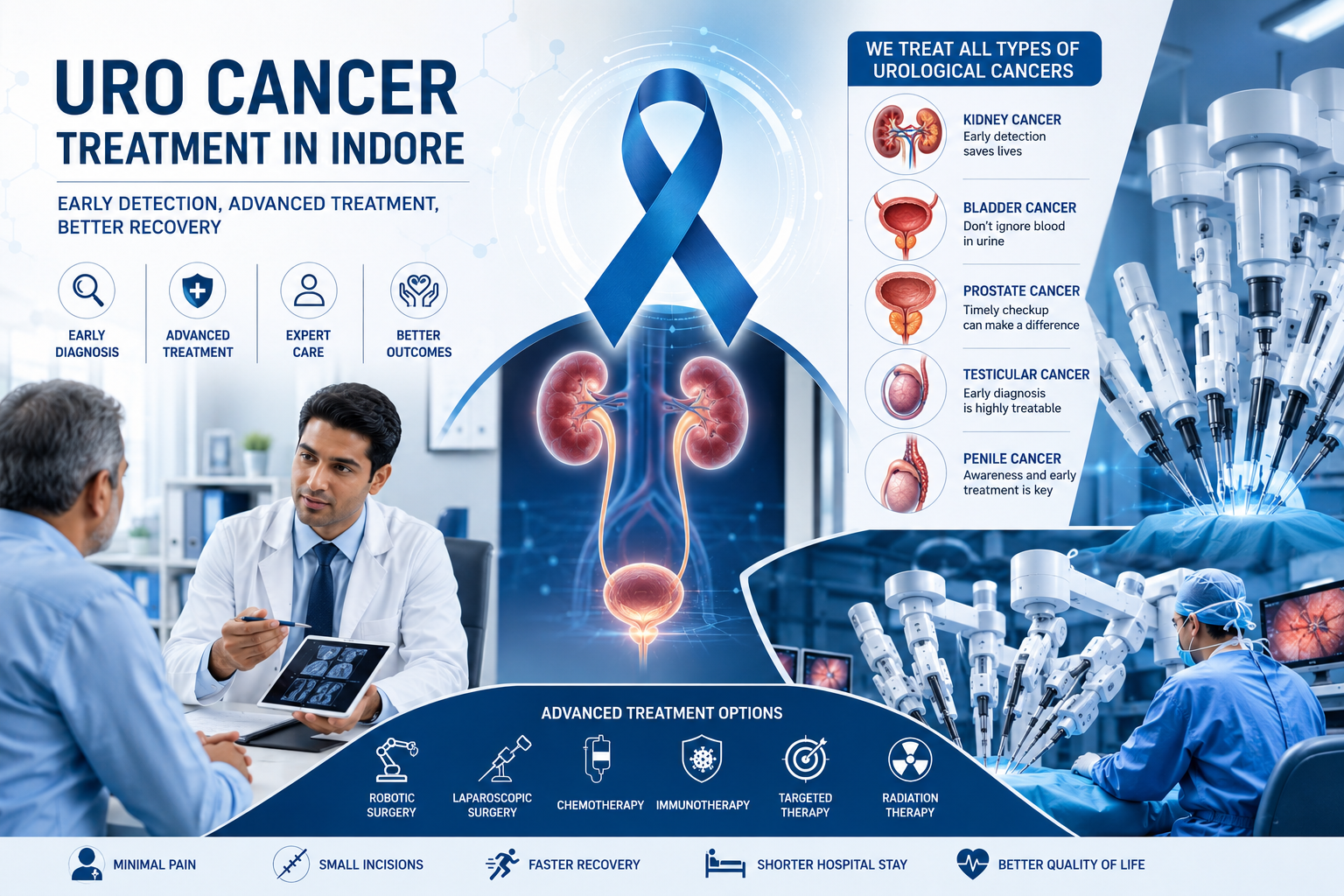
Whether it’s Kidney Cancer, Bladder Cancer, Prostate Cancer, Testicular Cancer, or Penile Cancer, timely medical attention is the key to successful treatment.
What is Uro Cancer?
Uro Cancer refers to cancers that develop in the urinary tract and male reproductive organs. These cancers may affect:
- Kidneys
- Bladder
- Prostate
- Testicles
- Penis
- Ureters
Each type requires a personalized treatment approach based on the stage and overall health of the patient.
Common Symptoms You Should Never Ignore
Many uro cancers develop silently during the early stages. Consult a specialist immediately if you notice:
Blood in Urine
One of the earliest warning signs of bladder or kidney cancer.
Difficulty Urinating
A weak urine stream or difficulty passing urine may indicate prostate problems.
Frequent Urination
Especially if accompanied by pain or burning.
Persistent Lower Back Pain
Pain near the kidneys that doesn’t improve.
Lump in the Testicle
Any painless swelling or lump should be evaluated promptly.
Unexplained Weight Loss
Sudden weight loss and fatigue can sometimes indicate advanced cancer.
Who is at Higher Risk?
Your risk of uro cancer may increase if you:
- Are above 50 years of age
- Smoke or use tobacco
- Have obesity
- Have a family history of cancer
- Suffer from chronic urinary infections
- Have prolonged exposure to industrial chemicals
- Have chronic kidney disease
- Have HPV infection (Penile Cancer risk)
Importance of Early Diagnosis
Detecting uro cancer in its initial stage offers several advantages:
- Better treatment success
- Less invasive surgery
- Faster recovery
- Reduced complications
- Improved quality of life
- Higher survival rates
Never ignore warning symptoms, even if they seem mild.
Diagnostic Tests for Uro Cancer
A specialist may recommend:
- Urine Examination
- Blood Tests
- PSA Test
- Ultrasound
- CT Scan
- MRI Scan
- Cystoscopy
- Biopsy
These investigations help determine the exact type and stage of cancer.

Advanced Treatment Options Available
Modern uro cancer treatment is more precise than ever before.
Robotic Surgery
Robotic-assisted surgery provides:
- Smaller incisions
- Less blood loss
- Minimal pain
- Faster recovery
- Greater surgical precision
Laparoscopic Surgery
A minimally invasive procedure with quicker healing compared to traditional surgery.
Endoscopic Procedures
Used mainly for diagnosing and treating early bladder cancers.
Chemotherapy
Recommended for advanced or metastatic cancers.
Immunotherapy
Boosts the body’s immune system to fight cancer cells.
Targeted Therapy
Targets specific cancer cells while minimizing damage to healthy tissues.
Radiation Therapy
Often used in combination with surgery or other treatments for selected patients.
Lifestyle Tips to Reduce Uro Cancer Risk
Although not all cancers are preventable, healthy habits can lower your risk.
- Quit smoking
- Drink enough water daily
- Maintain a healthy weight
- Exercise regularly
- Eat fresh fruits and vegetables
- Avoid excessive processed foods
- Get regular health checkups
- Don’t ignore urinary symptoms
Why Choose Advanced Uro Cancer Care?
Modern cancer care focuses on:
- Early diagnosis
- Personalized treatment plans
- Organ preservation whenever possible
- Minimally invasive surgery
- Faster recovery
- Better long-term outcomes
An experienced uro-oncology team provides comprehensive care from diagnosis to follow-up.
Frequently Asked Questions
Can uro cancer be cured?
Many uro cancers can be successfully treated when detected early.
Is robotic surgery better than open surgery?
For many patients, robotic surgery offers less pain, quicker recovery, and smaller scars. The best approach depends on the individual case.
Does blood in urine always mean cancer?
No. Blood in urine can also result from infections or kidney stones, but it should always be evaluated by a specialist.
Can younger people develop uro cancer?
Yes. While risk increases with age, some uro cancers, such as testicular cancer, are more common in younger men.
How often should I undergo screening?
Individuals over 50 or those with significant risk factors should discuss regular screening with their urologist.
Conclusion
Uro cancers can affect anyone, but early recognition of symptoms and timely treatment can dramatically improve outcomes. Advances in minimally invasive and robotic surgery, along with personalized treatment plans, have transformed the management of kidney, bladder, prostate, penile, and testicular cancers.
If you experience persistent urinary symptoms, blood in the urine, or any unusual changes, seek medical evaluation without delay. Early diagnosis remains the most effective step toward successful treatment and a healthier future.