A kidney cancer diagnosis can naturally make a person worried. One of the first questions patients usually ask is, “Will my entire kidney need to be removed?”
Not always.
For selected patients with kidney cancer, doctors may recommend a partial nephrectomy. In this surgery, the cancerous tumor is removed along with a small amount of surrounding tissue while the healthy part of the kidney is left in place.
When suitable for the patient, robotic-assisted surgery can be used to perform this procedure with greater precision. If you are looking for the Best Uro Cancer Surgeon in Indore, it is important to discuss whether this approach is appropriate for your particular kidney tumor.
What Is Robotic Partial Nephrectomy?
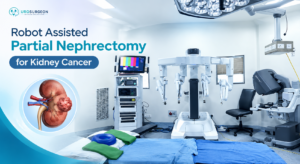
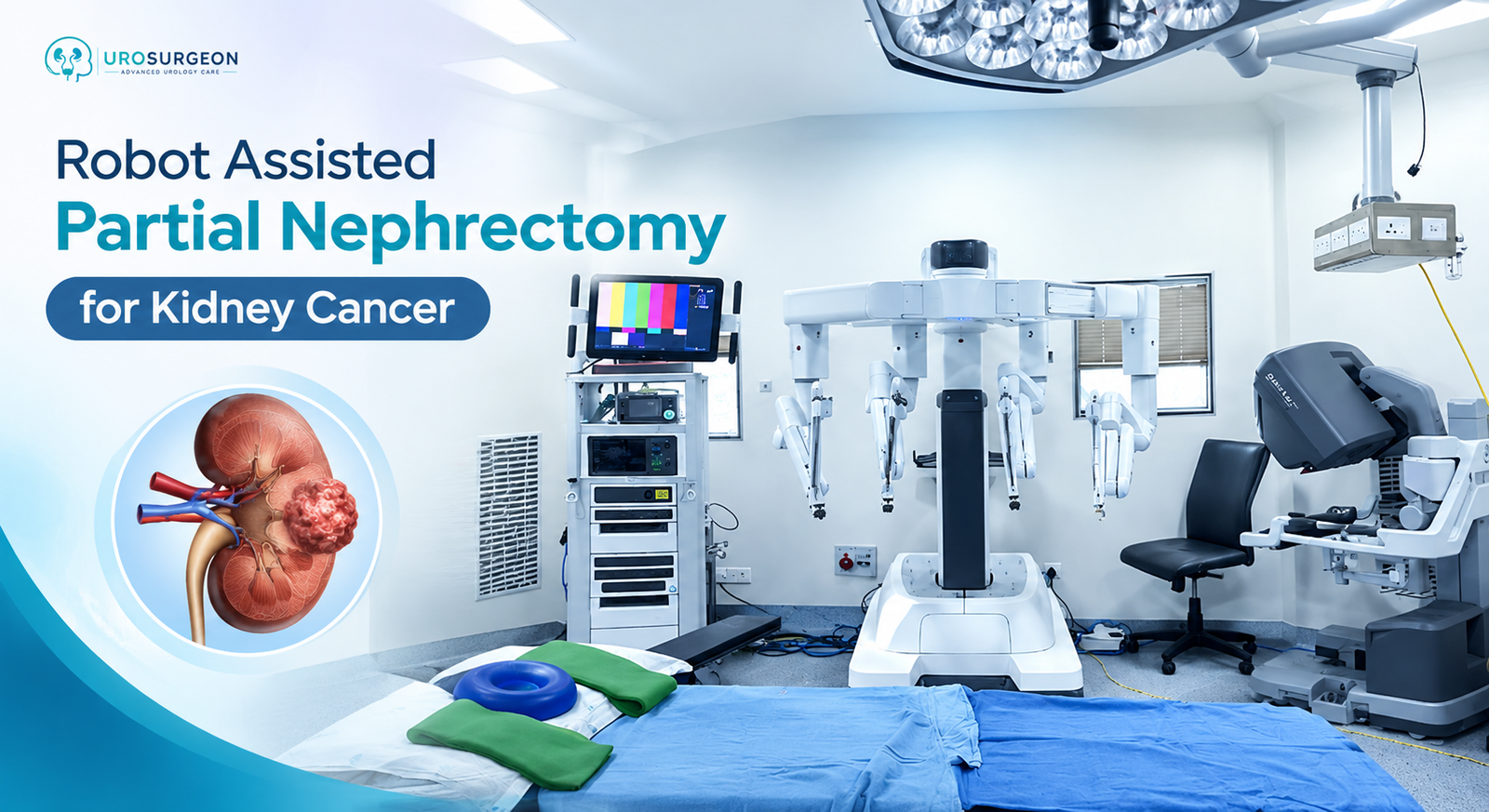
Robotic partial nephrectomy is a minimally invasive operation used to remove a kidney tumor while preserving as much healthy kidney tissue as possible.
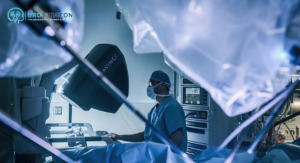
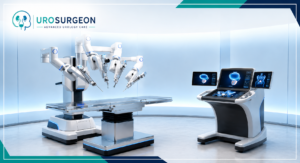
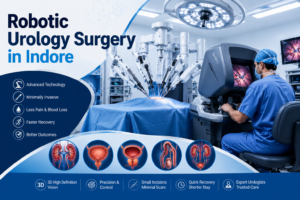
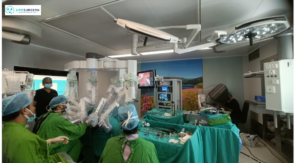
Instead of making one large incision, the surgeon generally works through several small openings. A robotic surgical system allows the surgeon to control small instruments from a console and operate inside the body with detailed visualization and precise movements.
The robot does not perform the surgery on its own. The surgeon controls the instruments throughout the procedure.
The main aim is simple: remove the cancer while protecting as much healthy kidney as possible. Partial nephrectomy is an established treatment option for selected patients with localized kidney cancer.
Who May Need Robotic Partial Nephrectomy?
Robotic partial nephrectomy is not suitable for every kidney cancer patient. The decision depends on several factors, including the size and position of the tumor, kidney function, overall health, and whether the cancer has spread.
For smaller, localized kidney tumors, partial nephrectomy is commonly considered when the tumor can be safely removed while leaving enough healthy kidney behind. It may also be considered for some larger tumors when their location and other factors make kidney-sparing surgery possible.
Your surgeon will usually review CT or MRI scans before deciding which type of surgery is safest.
A consultation with the Best Uro Cancer Surgeon in Indore can help you understand your scan reports and the treatment options available for your specific condition.
Why Preserve the Kidney?
The kidneys play an important role in filtering waste and maintaining the body’s fluid balance. When it is possible to remove only the tumor instead of the entire kidney, preserving healthy kidney tissue can be beneficial.
This is one of the major reasons partial nephrectomy is used for selected localized kidney cancers. Evidence summarized by the National Cancer Institute notes that partial nephrectomy can provide cancer-control outcomes comparable with radical nephrectomy in appropriately selected patients while preserving more kidney function.
This does not mean partial nephrectomy is always the better choice. The priority is safe and effective cancer treatment. Your surgeon will recommend the approach based on the location and characteristics of the tumor.
What Happens During the Surgery?
The procedure is performed under general anesthesia, so you will be asleep during the operation.
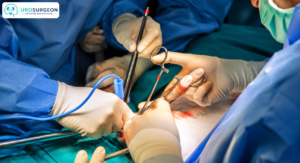
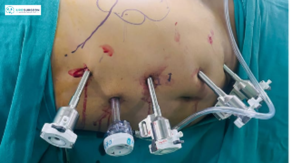
The surgeon makes small openings in the abdomen to introduce the camera and surgical instruments. The kidney and tumor are carefully exposed, and the surgeon identifies the tumor while protecting nearby structures.
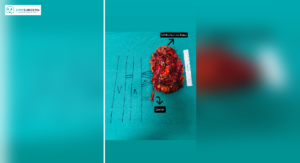
The tumor is then separated from the healthy kidney tissue and removed. The remaining kidney tissue is repaired, and the removed tissue is sent for laboratory examination.
The exact steps can vary depending on the tumor’s size, location, blood supply, and relationship with nearby structures.
Benefits of Robotic-Assisted Surgery
Robotic surgery is designed to give the surgeon detailed visualization and precise control during delicate procedures. For kidney surgery, this can be particularly useful when the tumor is located close to important blood vessels or other structures.
Some potential benefits of a minimally invasive robotic approach may include smaller incisions, less postoperative discomfort, and a shorter recovery compared with traditional open surgery in appropriate patients. However, results can vary from person to person.
It is important not to choose surgery only because it is called “robotic.” The experience of the surgeon and whether the procedure is appropriate for your cancer are equally important.
What Is Recovery Like?
Recovery after robotic partial nephrectomy varies from patient to patient. Your hospital stay and return to normal activities will depend on your general health, the complexity of the surgery, and how your body responds after the operation.
You may experience some pain or tiredness during the first few days. Your doctor will guide you about walking, eating, drinking fluids, medications, wound care, and gradually returning to normal activities.
Most importantly, follow the instructions given by your surgical team and attend your scheduled follow-up appointments.
The Best Uro Cancer Surgeon in Indore can also explain what you should expect during recovery and when you can safely return to work, exercise, and other daily activities.
Are There Any Risks?
Like every surgery, robotic partial nephrectomy has some possible risks. These may include bleeding, infection, injury to nearby structures, urine leakage, blood clots, or changes in kidney function.
There can also be a possibility that the surgeon may need to change the surgical plan during the procedure if unexpected findings occur.
The actual risk depends on the patient’s health and the complexity of the tumor. Your surgeon should explain these risks before surgery so you can make an informed decision.
Why Follow-Up Is Important
Surgery removes the visible tumor, but follow-up remains an important part of kidney cancer care. Your doctor may recommend regular imaging, blood tests, and kidney function monitoring based on your diagnosis and treatment.
The final pathology report also provides important information about the tumor and helps determine what follow-up may be needed.
If you have concerns after surgery, speak with the Best Uro Cancer Surgeon in Indore rather than ignoring new symptoms.
Conclusion
Robot-assisted partial nephrectomy has become an important kidney-sparing option for selected patients with localized kidney cancer. The goal is to remove the tumor while preserving as much healthy kidney tissue as safely possible.
However, every kidney tumor is different. The best treatment depends on its size, location, stage, kidney function, and your overall health.
If you have been diagnosed with kidney cancer, consulting the Best Uro Cancer Surgeon in Indore can help you understand your treatment options and whether robotic partial nephrectomy is suitable for you.
The right decision is not simply about removing the cancer. It is also about protecting your long-term health and kidney function whenever safely possible.
Frequently Asked Questions (FAQs)
1. What is robotic partial nephrectomy?
It is a minimally invasive surgery in which the kidney tumor and a small amount of surrounding tissue are removed while preserving the healthy part of the kidney.
2. Is robotic partial nephrectomy suitable for every kidney cancer patient?
No. The decision depends on the tumor’s size, location, stage, kidney function, and overall health. Some patients may need a different treatment.
3. What is the main benefit of partial nephrectomy?
The main benefit is that it removes the tumor while preserving healthy kidney tissue when this can be done safely.
4. How long does recovery take after robotic partial nephrectomy?
Recovery varies depending on the complexity of the surgery and the patient’s overall health. Your surgeon will provide individual advice about returning to normal activities.
5. How can I find the Best Uro Cancer Surgeon in Indore for kidney cancer?
Look for a qualified urologist or uro-oncology surgeon with experience in kidney cancer surgery and robotic partial nephrectomy. During consultation, ask about your tumor location, treatment options, expected results, risks, and follow-up plan.