Kidney cancer is often diagnosed when a tumor is found during an ultrasound, CT scan or MRI. When kidney cancer is detected at an early stage and the tumor is limited to the kidney, surgery may be an important part of treatment. In selected patients, partial nephrectomy can remove the cancerous tumor while preserving the remaining healthy kidney tissue.
With advances in minimally invasive surgery, robotic-assisted partial nephrectomy has become an option for appropriately selected patients. The procedure allows the surgeon to operate through small incisions using specialized instruments and magnified visualization.
If you are looking for a Best Uro Cancer Surgeon in Indore for kidney cancer treatment, understanding robotic partial nephrectomy, its potential benefits and recovery process can help you have a more informed discussion with your specialist.
Table of Contents
ToggleWhat Is Robotic Partial Nephrectomy?
Partial nephrectomy is a kidney-sparing surgery in which the surgeon removes the kidney tumor along with an appropriate margin of surrounding tissue while leaving the healthy portion of the kidney in place.
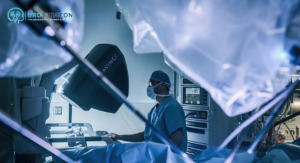
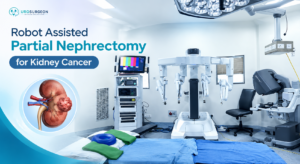
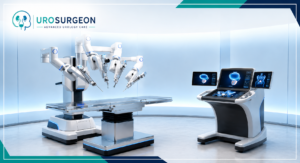
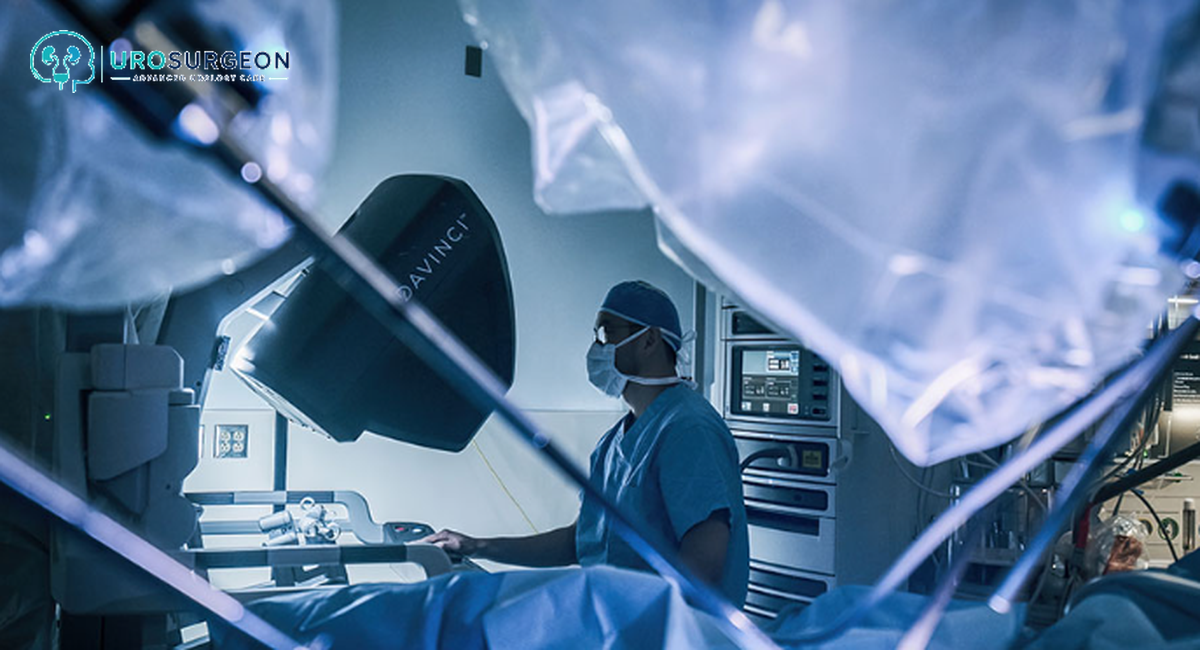
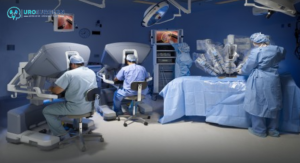
In robotic-assisted surgery, the surgeon controls specialized robotic instruments from a console. The robotic system does not perform the operation independently. Instead, it translates the surgeon’s hand movements into precise instrument movements inside the patient’s body.
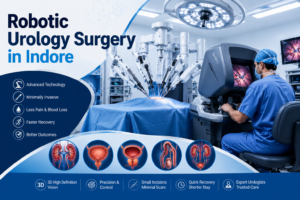
The procedure typically involves several small incisions through which the surgical instruments and camera are introduced. The camera provides a magnified, high-definition view of the surgical area.
Why Is Partial Nephrectomy Used for Kidney Cancer?

For selected patients with localized kidney cancer, preserving healthy kidney tissue can be an important treatment goal.
Keeping more functioning kidney tissue may help preserve kidney function, particularly when the patient has risk factors for reduced kidney function or has another kidney that may not function normally.
However, partial nephrectomy is not appropriate for every kidney tumor. Tumor size, location, complexity, relationship with blood vessels and the collecting system, kidney function and the patient’s overall health all influence the treatment decision.
A Best Uro Cancer Surgeon in Indore can evaluate imaging reports and other clinical information to determine whether kidney-sparing surgery is a suitable option.
Who May Be Suitable for Robotic Partial Nephrectomy?
Robotic partial nephrectomy may be considered for selected patients with a kidney tumor that can be safely removed while preserving an adequate amount of functioning kidney tissue.
It may be particularly relevant when:
- The tumor is confined to the kidney.
- The tumor can be separated from healthy kidney tissue.
- Preserving kidney function is an important consideration.
- The tumor’s size and location make partial nephrectomy technically feasible.
- The patient’s overall health allows minimally invasive surgery.
Every kidney tumor is different. A detailed CT or MRI scan is often important for surgical planning.
How Is Robotic Partial Nephrectomy Performed?
Before surgery, the patient undergoes appropriate evaluation, which may include imaging, blood tests, kidney function assessment and anesthesia evaluation.
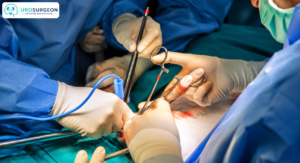
During the operation, the patient is placed under general anesthesia. The surgeon makes several small incisions to introduce the camera and robotic instruments.
The surgeon then identifies the kidney tumor and carefully separates it from the surrounding healthy tissue. The tumor is removed while attempting to preserve as much functioning kidney tissue as safely possible.
Bleeding is controlled, and the kidney is reconstructed when required. The removed tissue is sent for pathological examination to determine the exact type and characteristics of the tumor.
The surgeon then removes the instruments and closes the small incisions.
Benefits of Robotic Partial Nephrectomy
For appropriately selected patients, robotic partial nephrectomy may offer several potential advantages compared with traditional open surgery.
Kidney Preservation
The main goal of partial nephrectomy is to remove the tumor while preserving healthy kidney tissue. This can be particularly important for long-term kidney function.
Smaller Incisions
Robotic surgery is performed through small incisions rather than the larger incision commonly associated with traditional open surgery.
Magnified Visualization
The robotic camera provides a magnified view of the surgical field, helping the surgeon identify important anatomical structures during the procedure.
Precise Instrument Control
The robotic instruments provide wristed movements that can assist the surgeon with delicate surgical steps.
Recovery
Many patients experience a faster recovery compared with traditional open surgery, although recovery varies depending on the patient’s health, tumor characteristics and surgical complexity.
Reduced Surgical Trauma
Because the procedure uses minimally invasive access, patients may experience less discomfort and smaller scars compared with open surgery.
It is important to understand that robotic surgery does not automatically mean that every patient will have the same recovery or outcome. The approach is selected based on individual clinical factors.
Robotic Surgery Does Not Operate by Itself
A common misconception is that the robot performs the surgery independently. This is not the case.
The surgeon remains in control throughout the procedure. The robotic system provides the surgeon with enhanced visualization and specialized instruments, while the surgeon performs the critical surgical steps.
When discussing robotic kidney cancer surgery with a Best Uro Cancer Surgeon in Indore, patients can ask about the surgeon’s experience with robotic partial nephrectomy and whether the procedure is appropriate for their particular tumor.
Recovery After Robotic Partial Nephrectomy
Recovery varies from patient to patient. Immediately after surgery, the medical team monitors pain, urine output, kidney function and other vital parameters.
Patients are usually encouraged to start moving as early as safely possible. Gradual activity can help support recovery and reduce certain complications associated with prolonged inactivity.
Some patients may experience temporary discomfort around the incision sites, tiredness or changes in appetite during the early recovery period.
Your surgeon will provide specific instructions regarding:
- Wound care
- Physical activity
- Diet and hydration
- Medication
- Follow-up appointments
- When to return to work
- When strenuous exercise can be resumed
The exact recovery timeline depends on the complexity of surgery and the patient’s overall health.
Follow-Up After Kidney Cancer Surgery
Surgery is not necessarily the end of kidney cancer care. Regular follow-up is important after treatment.
Follow-up may include clinical examinations, blood tests, kidney function assessment and imaging at intervals recommended by the treating team.
The pathology report from the removed tumor helps determine the final diagnosis and other important characteristics. This information can guide future follow-up planning.
Patients should attend scheduled appointments even when they feel completely well because kidney cancer surveillance is based on the risk profile of the individual patient.
How to Choose a Kidney Cancer Surgeon in Indore?
Choosing a surgeon for kidney cancer treatment is an important decision. Patients can discuss the surgeon’s experience in kidney cancer surgery, partial nephrectomy and robotic procedures.
It is also useful to understand why a particular surgical approach has been recommended and whether alternatives are available.
If you are searching for a Best Uro Cancer Surgeon in Indore, consider discussing your imaging, kidney function, tumor characteristics and treatment options directly with a qualified uro-oncology specialist.
Conclusion
Robotic partial nephrectomy is a kidney-sparing surgical approach that may be suitable for selected patients with localized kidney cancer. Its primary goal is to remove the tumor while preserving as much healthy kidney tissue as safely possible.
The procedure combines the principles of partial nephrectomy with minimally invasive robotic technology. Potential benefits include smaller incisions, magnified visualization, precise instrument control and recovery that may be quicker than traditional open surgery in appropriately selected patients.
However, robotic partial nephrectomy is not suitable for every kidney tumor. Tumor size, location, complexity, kidney function and overall health must be considered before choosing the surgical approach.
If you are considering kidney cancer surgery, consultation with an experienced Best Uro Cancer Surgeon in Indore can help you understand whether robotic partial nephrectomy is appropriate for your individual condition.
Frequently Asked Questions (FAQs)
1. What is robotic partial nephrectomy?
Robotic partial nephrectomy is a minimally invasive kidney surgery in which the surgeon removes a kidney tumor while preserving the remaining healthy kidney tissue. The surgeon controls the robotic instruments throughout the procedure.
2. Is robotic partial nephrectomy suitable for every kidney cancer patient?
No. Suitability depends on factors such as tumor size, location, complexity, kidney function and the patient’s overall health. A detailed evaluation is needed before deciding on surgery.
3. What are the benefits of robotic partial nephrectomy?
Potential benefits include preservation of healthy kidney tissue, smaller incisions, magnified visualization, precise instrument control and potentially faster recovery compared with open surgery in appropriately selected patients.
4. How long does recovery take after robotic partial nephrectomy?
Recovery varies between patients and depends on the complexity of the surgery and overall health. Your surgeon will provide individualized instructions about activity, work, exercise and follow-up.
5. How do I find a kidney cancer surgeon in Indore?
Patients can look for a uro-oncology specialist with experience in kidney cancer surgery, partial nephrectomy and robotic procedures. If you are searching for a Best Uro Cancer Surgeon in Indore, discussing your diagnosis and treatment options directly with an experienced specialist can help you understand the most appropriate approach for your condition.