

September is observed as Prostate Cancer Awareness Month, making it an important time to talk about prostate health, risk factors, early detection, and the role of regular medical evaluation. Prostate cancer may develop without obvious symptoms in its early stages. This is why understanding your risk and discussing appropriate screening with the Best uro oncologist in indore can be an important step toward timely care.
What Is Prostate Cancer?
The prostate is a small gland located below the bladder and in front of the rectum. It surrounds part of the urethra and helps produce fluid that forms part of semen. Prostate cancer begins when abnormal cells in the prostate grow in an uncontrolled way. Some prostate cancers grow slowly, while others can be more aggressive.
The right approach depends on factors such as the cancer stage, Grade Group, PSA level, overall health, age, and personal preferences. A Best uro oncologist in indore can help patients understand these factors and decide what evaluation may be appropriate.
Why Early Detection Matters
Early prostate cancer often does not cause noticeable symptoms. Because of this, waiting for symptoms before seeking medical advice may not be the best approach for every man. Screening can detect some prostate cancers before symptoms develop, although PSA-based screening also has possible limitations and risks. The decision to have screening should be individualized after discussing the potential benefits and harms with a healthcare professional.
Men with a family history of prostate cancer or other risk factors may need a more personalized discussion about screening. Your doctor can assess your age, family history, overall health, and individual risk before recommending an appropriate plan.
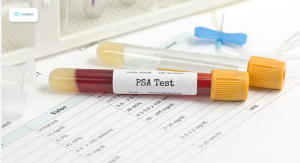
Understanding the PSA Test
PSA stands for prostate-specific antigen. It is a protein produced by the prostate and measured through a blood test. PSA levels can be higher in men with prostate cancer, but an elevated PSA does not automatically mean cancer.
Benign prostate enlargement, infection, and inflammation can also raise PSA levels. For this reason, a PSA result should not be interpreted in isolation. Depending on the result and the patient’s situation, a doctor may recommend repeating the test, performing a prostate examination, considering imaging such as MRI, or discussing a biopsy.
The Best uro oncologist in indore can help explain what a PSA result may mean in the context of your symptoms, age, family history, and previous test results.
Signs That Should Not Be Ignored
Early prostate cancer may have no symptoms. When symptoms do occur, they may overlap with other prostate or urinary conditions such as benign prostate enlargement. Possible symptoms include:
- Difficulty starting urination
- Weak or interrupted urine flow
- Frequent urination, especially at night
- Difficulty emptying the bladder completely
- Blood in the urine or semen
- Persistent pain in the back, hips, or pelvis
These symptoms do not necessarily mean prostate cancer, but they should not be ignored, particularly when they are persistent or worsening. A proper medical assessment can help identify the underlying cause.
What Happens After an Abnormal PSA?
An abnormal PSA result is not a cancer diagnosis. Your doctor may look at the PSA level over time and consider other clinical information. Depending on the situation, further evaluation may include a digital rectal examination, repeat PSA testing, urine tests, MRI, or prostate biopsy.
A biopsy examines prostate tissue for cancer and can help determine the Grade Group of a diagnosed cancer. The next step should be based on the overall clinical picture rather than one test result.
Treatment Options for Prostate Cancer
If prostate cancer is diagnosed, treatment is selected according to the risk and stage of the disease. Common options include:
Active Surveillance: Some men with low-risk prostate cancer may be monitored closely with regular PSA testing, examinations, imaging, and sometimes repeat biopsy.
Surgery: For selected men with localized prostate cancer, radical prostatectomy may be recommended. Robotic-assisted surgery may be an option in appropriate cases.
Radiation Therapy: Radiation can be used to treat localized or locally advanced prostate cancer. It may be combined with hormone therapy in some higher-risk cases.
Hormone Therapy: Also called androgen deprivation therapy, this treatment lowers or blocks male hormones that can help prostate cancer grow.
Treatment for Advanced Disease: Depending on the cancer, doctors may consider hormone therapy, chemotherapy, targeted medicines, immunotherapy, radiation, or other treatments.
Why Regular Follow-Up Is Important
Prostate health does not end with one PSA test. Regular follow-up helps doctors monitor changes and decide whether additional evaluation is needed. For men receiving treatment for prostate cancer, PSA testing is also an important part of follow-up care.
During Prostate Cancer Awareness Month, take the opportunity to understand your personal risk and discuss prostate health with a qualified specialist. Consulting a Best uro oncologist in indore can help you make informed decisions about screening, diagnosis, and treatment.
Conclusion
Prostate Cancer Awareness Month is a reminder that early detection starts with awareness. Since early prostate cancer may not cause clear symptoms, men should not rely only on symptoms to decide whether to discuss screening. PSA testing can provide useful information, but it must be interpreted carefully because several non-cancerous conditions can also affect PSA levels.
If you have urinary changes, a family history of prostate cancer, an abnormal PSA result, or concerns about your prostate health, speak with a qualified doctor. The Best uro oncologist in indore can guide you through appropriate evaluation and, when needed, explain the treatment options available for your condition.
Frequently Asked Questions (FAQs)
1. What is Prostate Cancer Awareness Month?
Prostate Cancer Awareness Month is observed in September and focuses on increasing awareness about prostate cancer, risk factors, early detection, screening, and treatment.
2. Can prostate cancer be detected early?
Yes, some prostate cancers can be detected before symptoms develop through evaluation that may include PSA testing. However, screening decisions should be individualized because PSA testing has both benefits and limitations.
3. Does a high PSA level mean prostate cancer?
No. High PSA can also occur because of benign prostate enlargement, infection, or inflammation. Further evaluation may be needed to determine the cause.
4. What are the common symptoms of prostate cancer?
Early prostate cancer often causes no symptoms. When symptoms occur, they can include difficulty urinating, weak urine flow, frequent urination, blood in urine or semen, and persistent back, hip, or pelvic pain.
5. When should I consult a Best uro oncologist in indore?
You should consider consulting a specialist if you have persistent urinary symptoms, an abnormal PSA result, a family history of prostate cancer, or concerns about your prostate health.